Speed Limits
Speed Limits in Montana
Speed limits are posted to protect the public by informing drivers of the authorized, allowable speed. Common speed limits are typically statutory as stated in Montana Code Annotated 61-8-303. Speed restrictions.
Daytime speed limits are in effect from one-half hour before sunrise to one-half hour after sunset. Nighttime speed limits are in effect at any other time.
The speed limits in Table 1 went into effect October 1, 2019. These speed limits apply unless otherwise posted.
The Law
Setting the Speed Limit
Speed limits are posted only after a traffic and safety engineering study has been conducted and (where applicable) approved by the Transportation Commission.
Engineering Considerations
Before setting limits, a traffic investigator considers:
- the length and width of roadway,
- the roadway type and condition,
- the location of access roads and intersections,
- existing traffic control,
- sight distance,
- crash history,
- and traffic speed studies.
To ensure a consistent approach to speed limits statewide, the traffic investigator also considers nationally accepted principles.
The 85th Percentile
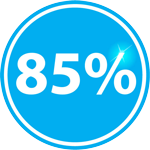
Decisions about rational speed limits are based in part on something called a speed study. During the speed study, data is collected at select locations along the roadway. This data is then analyzed to identify the 85th percentile—the speed at which 85 percent of the people drove at or below during ideal conditions.
The 85th percentile speed is typically used as a starting point for setting a rational limit and is considered to be the maximum safe speed for that location.
Traffic Investigation
An important part of a traffic investigation is the speed study. Drivers take into consideration the conditions of the roadway environment when determining their comfortable driving speed. Thus, the speed which the majority of the drivers consider prudent is an important factor.
Roadway data is collected using automated traffic counters at select locations during ideal driving conditions. A technical analysis is done to determine the 85th percentile. This 85th percentile represents the speed of which people drive during ideal conditions. Experience has shown that a posted speed limit near this value is the maximum safe and reasonable speed most drivers will travel.
Changing the Speed Limit
Concerns about posted speed limits are handled either by MDT or by your local city or county governments. MDT handles requests when the roadway is state- or federally funded. If you're not sure which agency has jurisdiction, you may contact MDT's Traffic and Safety Bureau or your local District Office.
Requesting a Speed Study
The initial request for a speed study may come from a concerned citizen, however MDT typically contacts the appropriate local government in writing to request authorization to proceed with the speed study. All speed limit investigations are conducted in cooperation with local officials.
Each request is placed on a list and processed in the order it was received unless a higher priority is assigned to it.
How long does it take?
The speed study typically takes 9-12 months to complete. This allows time for data collection and a comment period before recommendations are presented to the Transportation Commission for action (MCA § 61-8-309).
Frequently Asked Questions
- If we put up a reduced speed limit sign won't that slow traffic down?
- No. Signs are one of many factors motorists take into account when determining an appropriate safe speed. Before and after studies in many Montana communities, and across the country, show that simply lowering the speed limit does not change driver behavior.
- Will raising the speed limit cause motorists to speed up?
- No. Raising the speed limit with the consent of local officials simply aligns the speed limit with actual traffic operation during favorable roadway conditions.
- Do local officials have any input on what speed limit(s) are set?
- Yes. Your local officials are instrumental in having a study conducted and provide valuable insight about the public's view on the speed limit.
For more information, please contact David Relph at 406-444-7658.
Social Media