Stormwater Information


Please help us out by taking this short survey regarding stormwater, the MS4 program awareness, and future needs of the department in program development and implementation.

Stormwater Runoff and Pollution

If you have any questions or concerns about this website, storm water, construction permitting or the MS4 program, please feel free to contact the respective District Environmental Engineering Specialist (DEES).

, Field Services Engineer (Lead Worker) MS4 Coordinator 444.0456
, Glendive Envir. Engineering Specialist 345.8266
Missoula Envir. Engineering Specialist 523.5824
, Butte Envir. Engineering Specialist 494.9612
, Great Falls Envir. Engineering Specialist 454.5896
, Billings Envir. Engineering Specialist 657.0273
, Envir. Engineering Section Supervisor 444.7203

What is Stormwater Runoff?
Stormwater runoff occurs when precipitation from rain or snowmelt flows over the ground. Impervious surfaces like driveways, sidewalks, and streets prevent stormwater from naturally soaking into the ground.

Why is stormwater runoff a problem?
Stormwater can pick up debris, chemicals, dirt, and other pollutants and flow into a storm sewer system or directly to a lake, stream, river, wetland, or aquatic resource. Anything that enters a storm sewer system can be discharged untreated into the waterbodies we use for swimming, fishing, and providing drinking water.

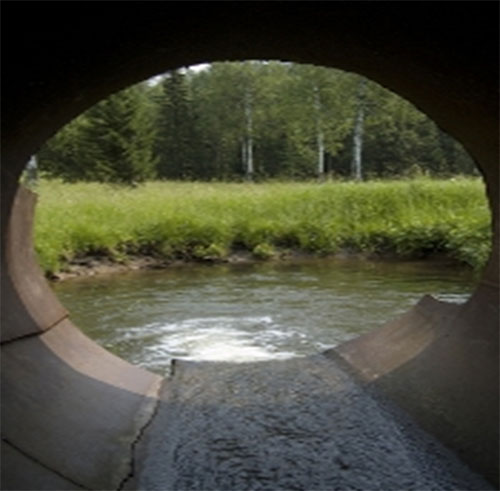
sewer pipe emptying into a pond
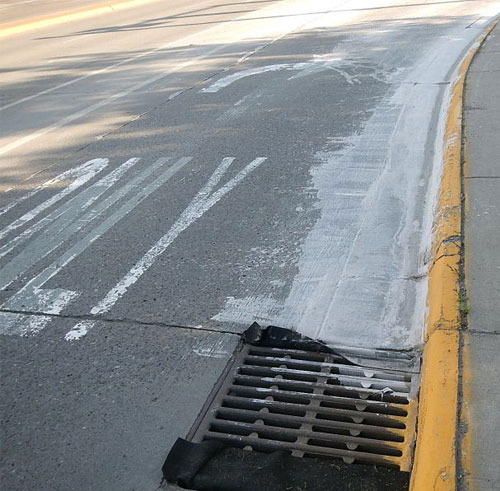
A storm sewer system is a conveyence or system of conveyences including roads and streets with drainage systems, curbs, gutters, ditches, catch basins, man made channels or storm drains that discharge to surface waters and is designed or used for collecting or conveying stormwater.

What are the effects of pollution?
Polluted stormwater runoff can have many adverse effects on plants, fish, animals, and people.

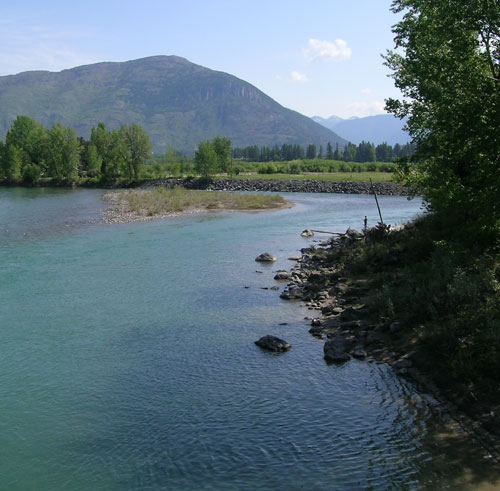
polluted lake shore
  • Sediment can cloud the water and make it difficult or impossible for aquatic plants to grow. Sediment also can destroy aquatic habitats and kill fish.
  • Excess nutrients can cause algae blooms. When algae die, they sink to the bottom and decompose in a process that removes oxygen from the water. Fish and other aquatic organisms can't exist in water with low dissolved oxygen levels.
  • Bacteria and other pathogens can wash into swimming areas and create health hazards.
  • Debris - plastic bags, six-pack rings, bottles, and cigarette butts - washed into waterbodies can choke, suffocate, or disable aquatic life like ducks, fish, turtles, and birds.
  • Household hazardous wastes like insecticides, pesticides, paint, solvents, used motor oil, and other auto fluids can poison aquatic life. Land animals and people can become sick or die from eating diseased fish and shellfish or ingesting polluted water.
  • Polluted stormwater can affect drinking water sources. This, in turn, can affect human health and increase drinking water treatment costs.